Beyond the Ledger: Why Child-Sensitive Budgeting is the Ultimate Measure of Policy Success
When we talk about advancing child rights, the conversation frequently centers on legislation, international treaties, and policy frameworks. While these commitments set essential legal standards, their real-world impact hinges on a far more pragmatic instrument: the public budget.
Beyond the Ledger: Why Child-Sensitive Budgeting is the Ultimate Measure of Policy Success
When we talk about advancing child rights, the conversation frequently centers on legislation, international treaties, and policy frameworks. While these commitments set essential legal standards, their real-world impact hinges on a far more pragmatic instrument: the public budget.
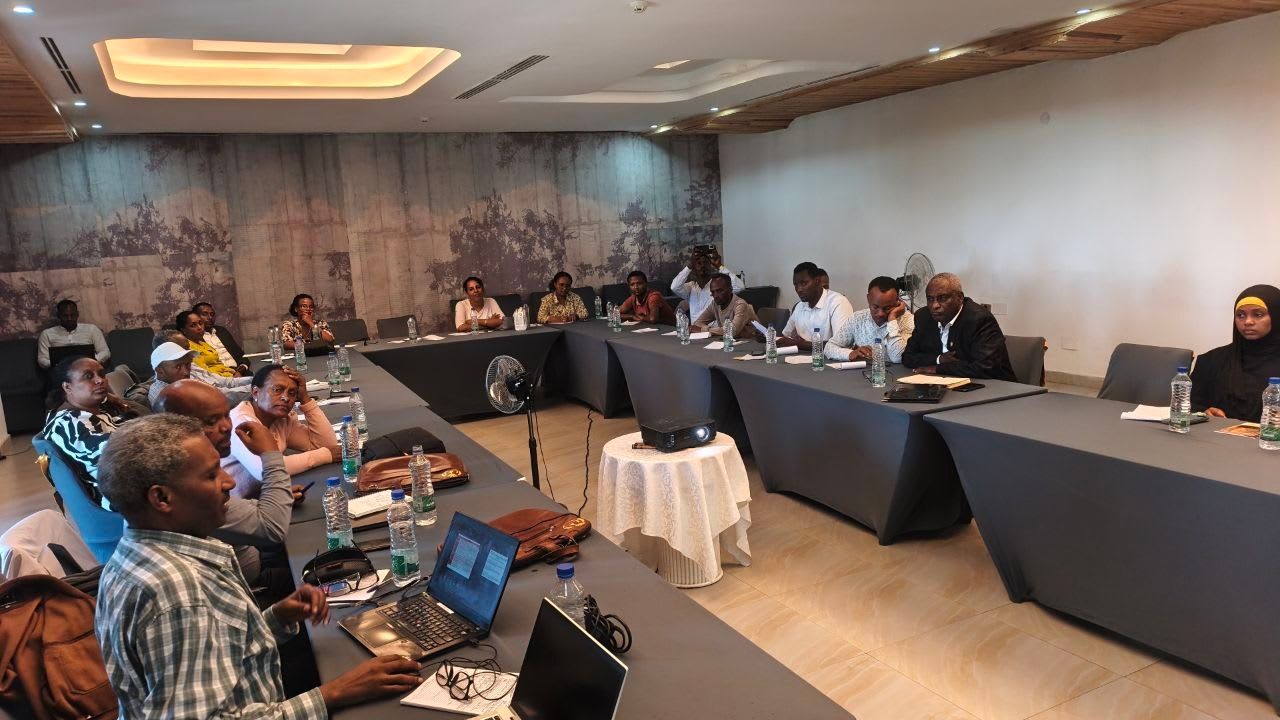
On September 18–19, 2026, Ratson brought this issue to the forefront during a two-day workshop with the Oromia Regional Working Committee. Bring together 32 officials from 9 diverse sectors—ranging from the Finance Bureau and Planning Commission to the Supreme Court and Police Commission—the training posed a fundamental question: How can public investment actively dismantle child poverty and inequality?
Connecting the Dots: CSB meets GRB
A central theme of the workshop was the powerful synergy between Child-Sensitive Budgeting (CSB) and Gender-Responsive Budgeting (GRB). When public resource allocation fails to account for age and gender disparities, public spending inadvertently widens existing gaps.
By analyzing public investments through a dual lens, regional planners can design interventions that specifically target vulnerable girls and boys who face compound risks.
Seven Pillars of Equitable Public Spending
To shift from routine expenditure to meaningful investment, participants analyzed public financial management across seven core pillars:
Allocation: Securing sufficient funding for child-centered services.
Equity: Directing resources to areas and groups with the highest need.
Effectiveness: Ensuring allocated resources deliver maximum utility.
Participation: Involving communities and youth perspectives in the planning cycle.
Accountability: Guaranteeing transparent financial tracking.
Sustainability: Building resilience against economic shocks to maintain service delivery.
Impact: Evaluating long-term child well-being outcomes.
Moving Forward
Aligning regional financial governance with international commitments such as the UNCRC, ACRWC, UPR, and VNR is not an overnight task. However, by equipping cross-sectoral leaders in Oromia with practical budget analysis tools, Ratson is helping build a system where every Ethiopian child is factored into the state’s financial priorities.
"Children Are the Center of Our Work!"
Ratson: advances child rights through community programs, accountable governance, partnerships, and practical local support across Ethiopia.
More from Ratson
All news →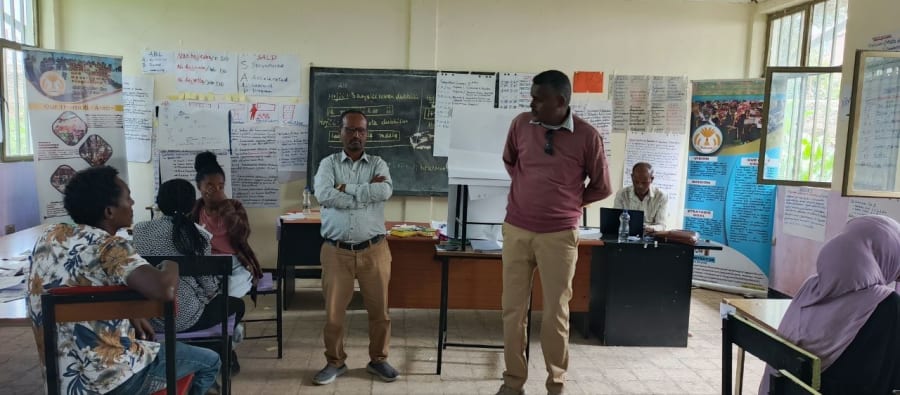
September 9, 2026
Empowering Educators for Impact!
Across the vibrant communities of Ada’a and Gumbichu, a transformational shift in local education took root as Ratson successfully wrapped up a series of intensive Structured Accelerated Learning Program (SALP) teacher training workshops.
September 9, 2026
Ratson Partners with The Luminos Fund to Deliver Structured Accelerated Learning Program in Ada’a District
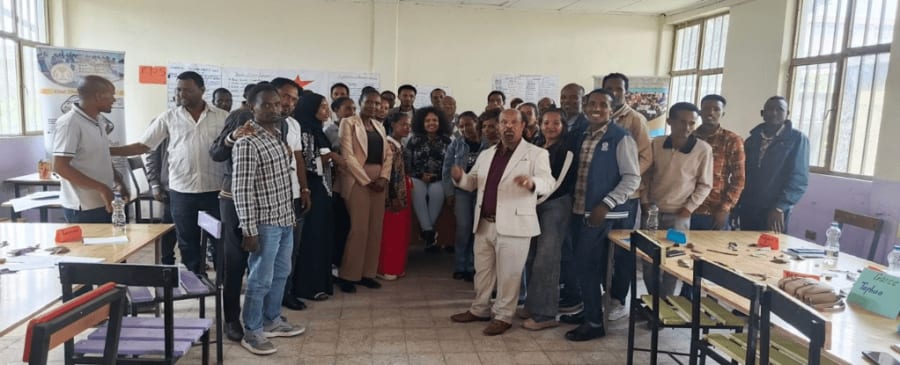
Foundational Literacy and Numeracy (FLN) form the core of a child's lifelong educational journey. To tackle existing national gaps in foundational skills, Ratson, in technical and financial partnership with The Luminos Fund, successfully hosted an intensive five-day training workshop focused on the Structured Accelerated Learning Program (SALP).
August 26, 2026
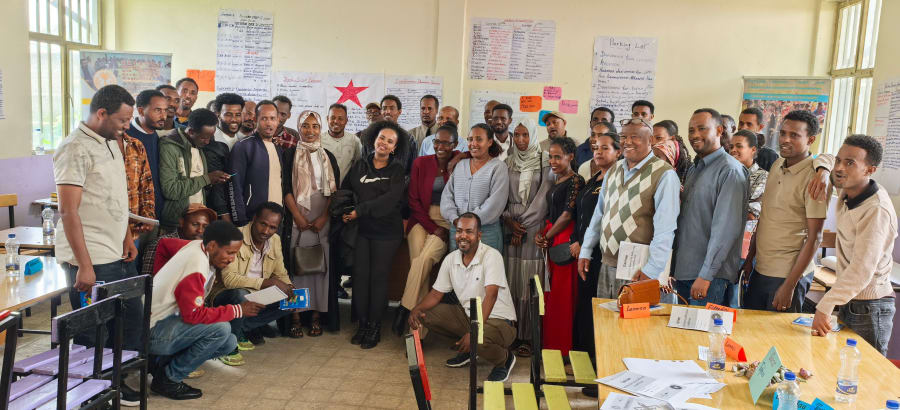
Advancing Accelerated Learning: Ratson Launches SALP Training in Bishoftu
Ratson has launched initial training on the Structured Accelerated Learning Program (SALP) at Tokuma Primary School in Bishoftu town. The training targets 50 key stakeholders from the Ada’a district, including school directors (11 of whom are female), cluster supervisors, and government officials.