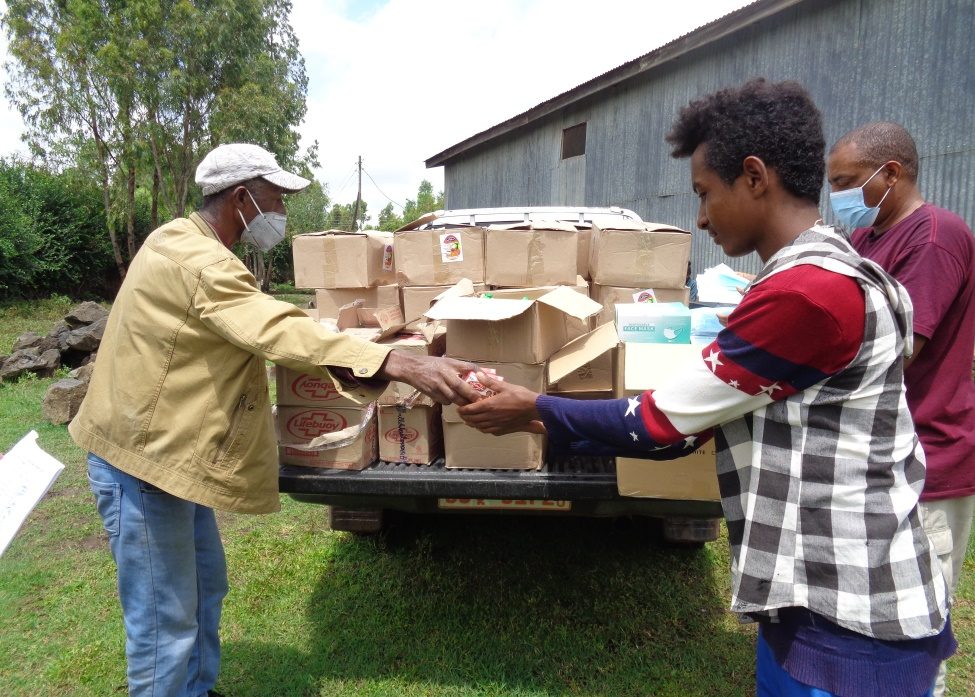
Calm, practical development work rooted in dignity.
Ratson: works toward self-reliant and inclusive communities where women, youth, and children enjoy dignity, rights, and equal access to opportunities.
Our North Star
We are the architect of a self-reliant future, relentlessly focused on scripting dignity and opportunity. Ratson is the compass for change, passionately dedicated to igniting the full potential and holistic well-being of every woman, youth, and child.
Vision
A future of self-reliant, inclusive communities where children's rights are fully realized, women are empowered, and all are free from psychosocial and economic burdens.
Mission
To create lasting change by supporting community-led solutions that advance child rights, empower women and youth, promote quality and inclusive education for all, and protect the environment.
Strategic Goal
To improve the lives of children, youth, and women by promoting child rights, quality and inclusive education, gender equality, and environmental sustainability through local, community-led action.
Strategic pillars & thematic areas.
Four pillars organize Ratson's work into clear thematic areas, each with a defined focus for children, youth, women, and communities.
Social Empowerment
Education (Preprimary to Tertiary)
Ensure access to quality, inclusive education for all children and youth.
Women’s Empowerment & Gender Equality
Ratson empowers women and promotes gender equality through economic support, leadership development, GBV prevention, and advocacy.
Child Development
Protect children’s rights; create safe and nurturing environments.
Health & Well-being
Health and WASH
Improve community health through accessible and equitable services.
Disaster Risk Reduction & Emergency Response
Build resilient communities prepared for disasters and emergencies.
Economic Empowerment
Livelihood Promotion & Youth Employment
Enhance economic opportunities via skills, employment, and entrepreneurship.
Environmental Sustainability
Climate Change and Environment
Foster community resilience through climate action and sustainable practices.
Profile
An indigenous non-profit established in 1995 : Resume 1996
Ratson: Women, Youth, and Children Development Program is an indigenous, non-profit organization established in 1995. It was officially re-registered as a local organization and granted legal personality on July 31, 2019, under registration number 0070.
Ratson: is legally licensed to implement comprehensive, holistic development programs across Ethiopia, with a primary focus on children, youth, and women. Its areas of operation include the Amhara, Sidama, SNNP, and Oromia Regional States, as well as the Addis Ababa City Administration, and Finfinnee surrounding Oromia special zones where there is a demonstrated need to combat poverty and drive sustainable development.
- Established
- 1995
- Re-registered
- 2019
- Reg. number
- 0070
- Regions active
- 5+
In the field
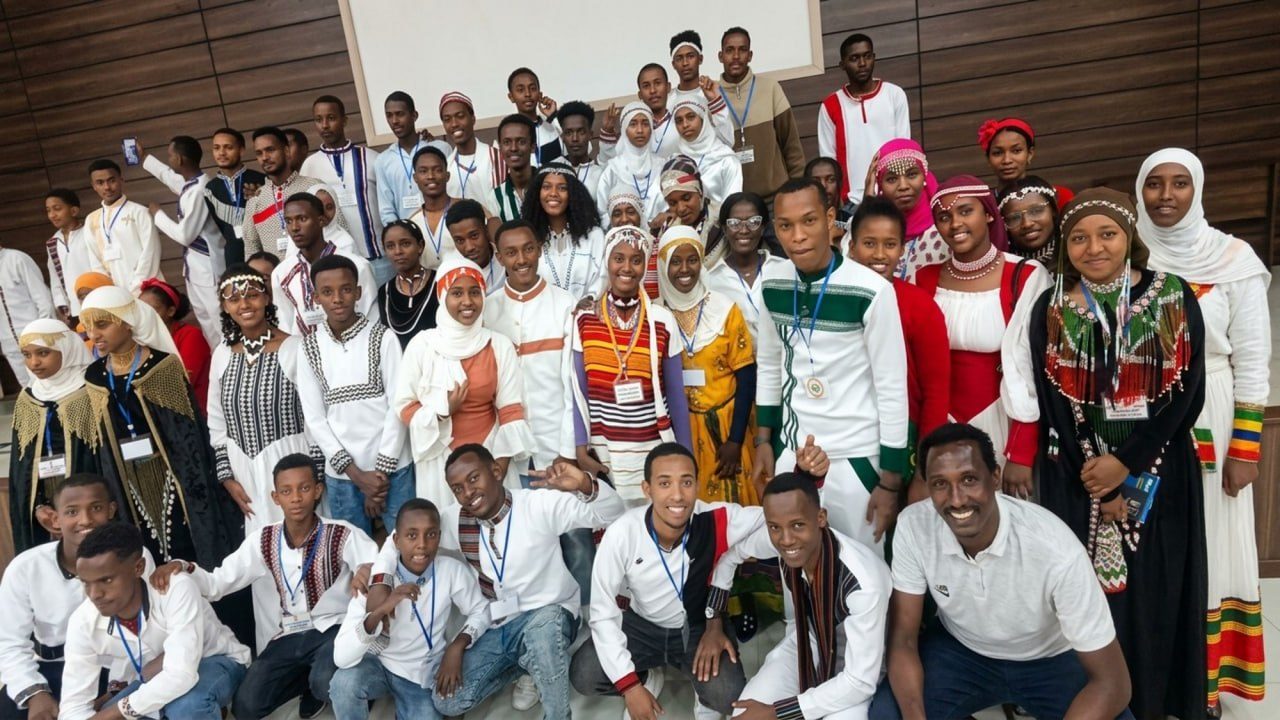
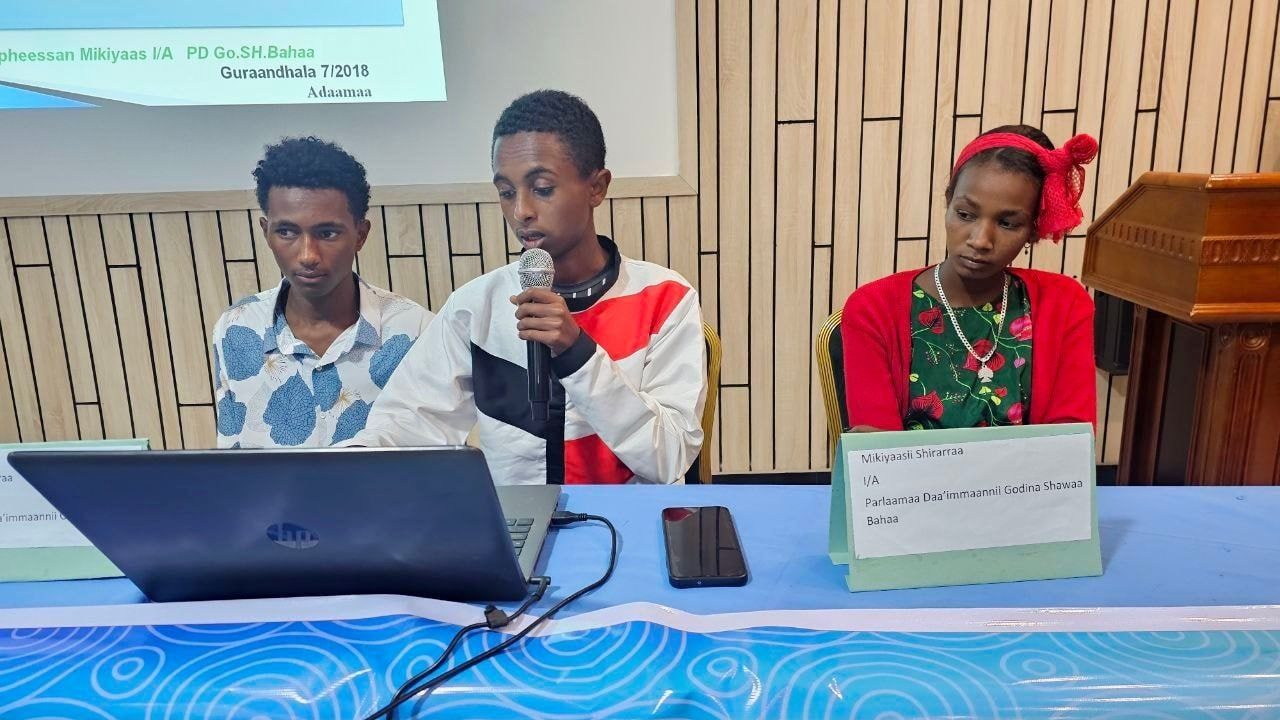
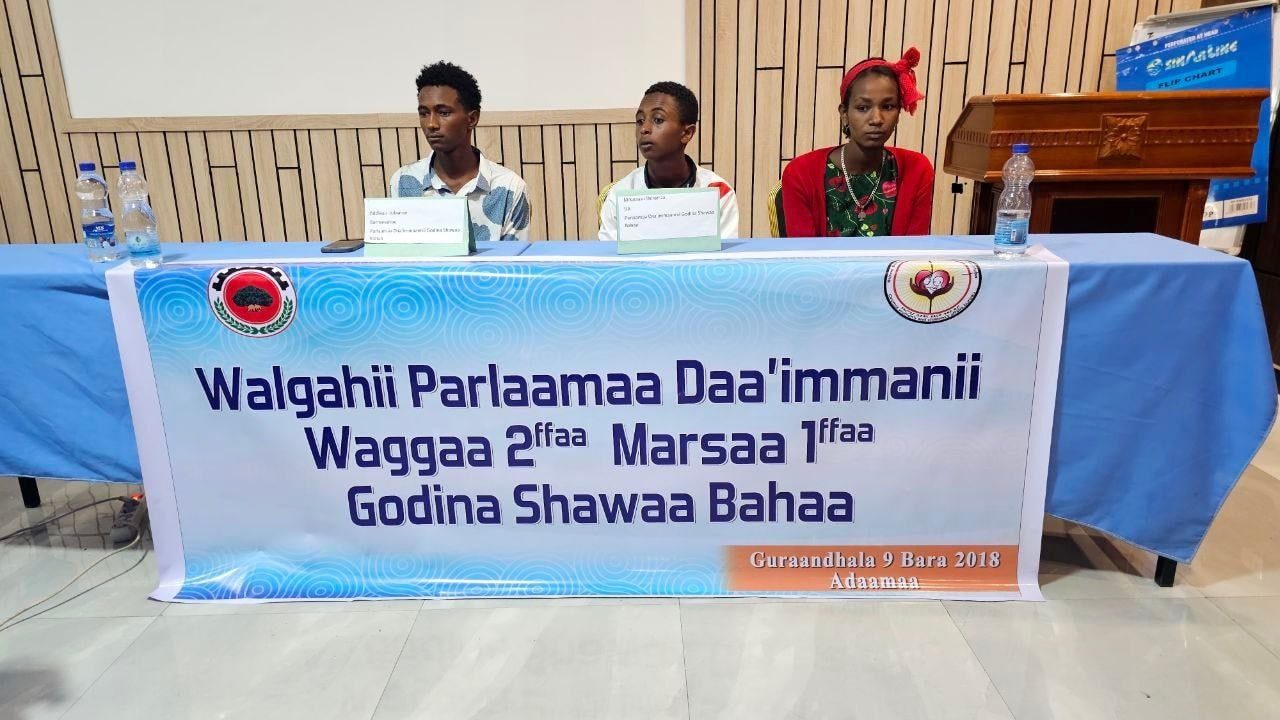
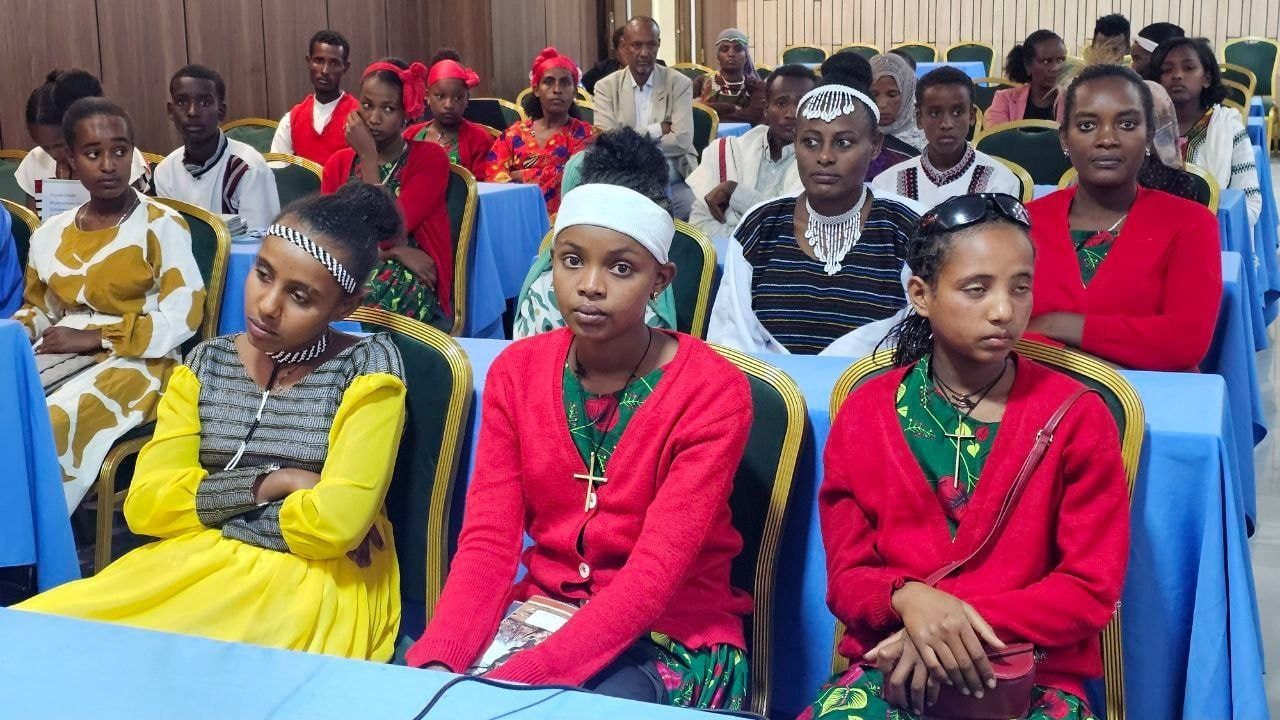
Children's Parliament, East Shewa Zone.
Child parliamentarians from across East Shewa Zone meeting in Adama.
Values
The standards that shape the work.
01
Respect & Dignity
We treat every individual child, youth, and woman with inherent worth, respecting their rights, voices, and diversity.
02
Empowerment
We build the confidence, skills, and opportunities of those we serve, enabling them to lead change in their own lives and communities.
03
Inclusion & Equity
We ensure fair treatment and meaningful participation of all, especially those marginalized by gender, age, or social status.
04
Child Protection & Safety
We prioritize the safety, well-being, and development of children in every action, program, and partnership.
05
Integrity & Accountability
We act with honesty, transparency, and responsibility to our communities, partners, and mission.
Strategic direction
Strengthening systems while expanding impact.
While Ratson's existing organizational structure has proven efficient, the Strategic Plan recommends expanding the organogram to better align with current and anticipated programmatic and administrative needs. This includes strengthening human resource management and enhancing information flow across the organization.
With a competent and committed team, Ratson: continues to expand its impact by strengthening institutional systems and governance structures; building strategic partnerships with donors, government agencies, and civil society organizations; advocating for social justice, gender equality, and inclusive development; and embracing innovation, including the use of digital technology to improve access, efficiency, and outreach.